Drunken Noodles with Wide Rice Noodles and Fresh Herbs
@franciscofiyv207
September 25, 2026 · 15 min read
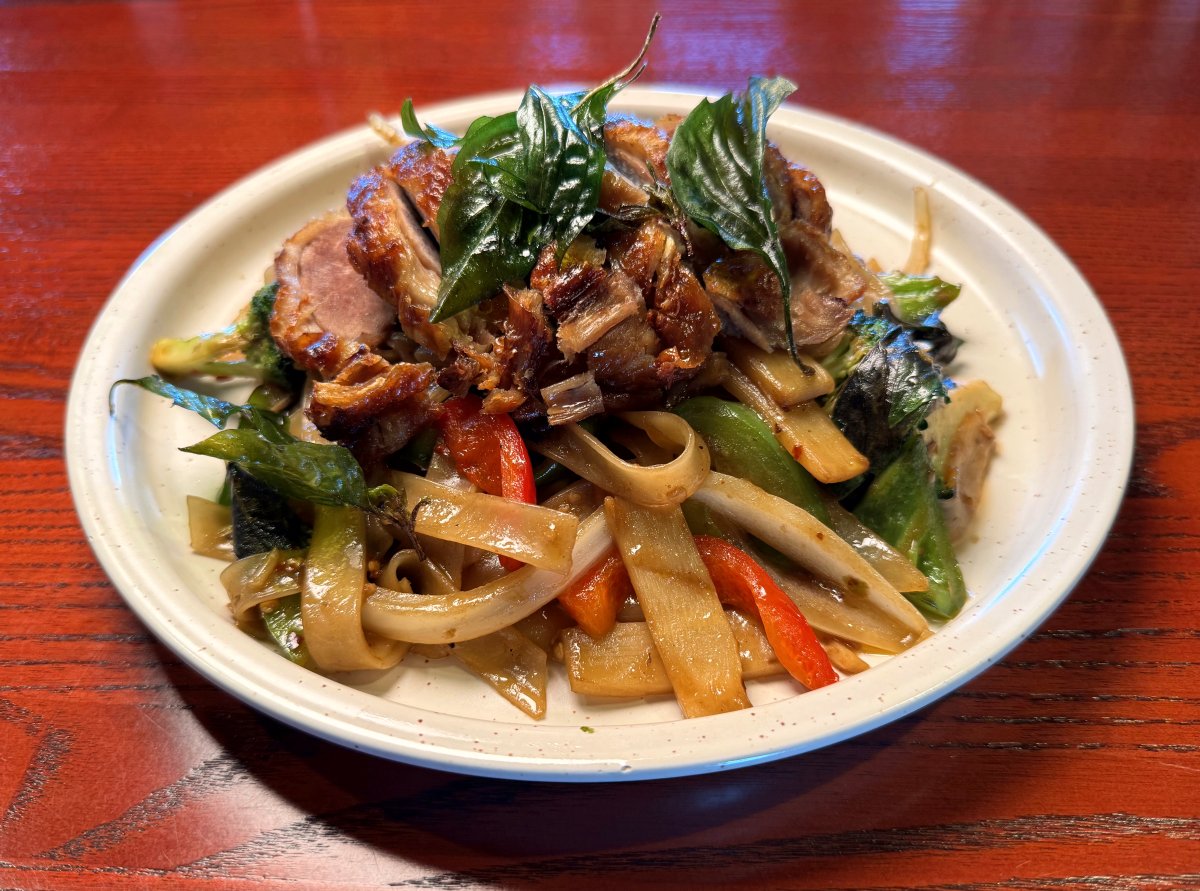

There are certain dishes that earn a permanent place in a home cook’s rotation because they deliver more than flavor. They solve dinner. They satisfy a craving that takeout rarely gets exactly right. They also reward a bit of attention at the stove. Drunken Noodles belong in that category.
Good Drunken Noodles should be loud in all the right ways. The noodles need to be glossy and chewy, not mushy. The sauce should hit salty, sweet, savory, and spicy in quick succession. The basil and fresh herbs should not sit in the background as decoration. They should perfume the whole pan and soften just enough from the heat to become part of the dish. When it works, the result feels both generous and sharp edged, a noodle stir-fry with real personality.
This version leans into wide rice noodles and a heavy hand with fresh herbs. It is the kind of meal that comes together quickly, but only if you prepare it with intention. Stir-frying wide noodles is not difficult, though it does punish hesitation. Once the pan is hot, every choice matters, from how wet the noodles are to when the basil goes in. That is why this dish is worth understanding, not just following.
What makes Drunken Noodles distinct
The name attracts attention, but the real identity of the dish sits in its balance. Drunken Noodles, often associated with the Thai dish pad kee mao, are built around broad rice noodles, assertive seasoning, aromatics, heat, and herbs. Unlike a sweeter noodle stir-fry, this one should taste vivid and almost unruly, though never sloppy. You want char around the edges, enough sauce to coat, and enough fire from chiles to wake everything up.
Wide rice noodles are especially important because they carry sauce differently from thin noodles. They fold, catch, and drag flavor in a way that creates more texture in each bite. Their surface also blisters and browns beautifully in a very hot pan. If you use narrow noodles, the dish can still be good, but it loses some of that dramatic chew and that satisfying contrast between slick interior and caramelized exterior.
The fresh herbs are not optional window dressing. Thai basil is classic for a reason. It has a peppery, lightly anise-like note that pushes back against the sauce instead of disappearing into it. If you have ever made this dish with standard sweet basil and then with Thai basil, the difference is immediate. Sweet basil makes the dish softer and rounder. Thai basil gives it lift and a more unmistakable character.
Choosing the noodles, and avoiding the most common mistake
Fresh wide rice noodles are the best option when you can find them. They are usually sold folded in a refrigerated package and can be gently separated before cooking. Their biggest advantage is texture. They stay supple and take on blistered spots without turning brittle or gluey. If you only have dried wide rice noodles, you can still make an excellent pan of Drunken Noodles, but the soak and drain need care.
The most common mistake is overhydrating the noodles before they ever hit the pan. Dried rice noodles that have been softened too much become fragile. Then, once they meet sauce, vegetables, and steam, they break apart or clump. It is better to stop a little early. They should be flexible but still slightly firm in the center. The final cooking in the wok or skillet finishes the job.
Fresh noodles also need attention. They often stick together in compressed sheets. If you attack them cold, they tear. Let them sit at room temperature for a bit, then separate them gently with your fingers. If they are stubborn, a brief microwave warm-up, often 10 to 20 seconds, can loosen them enough to work with. The goal is individual noodle strands or ribbons, not a solid block that needs force.
Building a sauce that tastes like a stir-fry, not a soup
A strong stir-fry sauce should cling, not pool. For Drunken Noodles, that usually means a mix of salty and savory seasonings, a touch of sugar, and enough liquid to coat the noodles without drowning them. Oyster sauce does a lot of heavy lifting here, bringing body and a slight sweetness. Soy sauce adds salt and depth. Fish sauce contributes the unmistakable savory edge that rounds out the dish. A pinch or spoonful of sugar smooths the corners so the heat and salt do not feel harsh.
There is a temptation to add a large splash of broth or water because the pan looks dry. Resist that urge at first. Wide rice noodles release moisture as they heat, especially fresh ones. Vegetables do too. If you start with too much liquid, you get steaming instead of searing, and the sauce turns thin before it has a chance to reduce and lacquer the noodles.
A practical ratio for a home-sized batch is enough sauce to lightly moisten every noodle before the pan’s heat tightens it up. In real kitchen terms, that often means somewhere around 4 to 6 tablespoons of total liquid seasonings for a batch serving two to three people, depending on how many vegetables and how much protein you add. The exact amount changes with the noodles. Fresh noodles usually need a bit less. Dried noodles, especially if very firm, may absorb slightly more.
The ingredients that matter most
If you are aiming for a reliable, restaurant-worthy pan of Drunken Noodles at home, these are the components worth prioritizing:
- 12 to 14 ounces wide rice noodles, fresh if possible
- 2 to 3 tablespoons oyster sauce, plus soy sauce and fish sauce to taste
- 3 to 5 garlic cloves, fresh chiles, and a handful of sliced onion
- 2 to 3 cups vegetables such as Chinese broccoli, bell pepper, or green beans
- 1 large packed cup Thai basil, with extra fresh herbs if you like, such as cilantro
That list is intentionally simple. Drunken Noodles are forgiving about the exact vegetable or protein, but less forgiving about the noodles, the heat, and the herbs. If you are missing Thai basil, use regular basil rather than skipping it entirely, though the final character will shift. If you do not use fish sauce, the dish will still work, but it may taste flatter and less resonant. A little goes a long way.
Protein choices and how they change the dish
Chicken is probably the most familiar option for many home https://paxtonnggt453.laurelcurrent.com/posts/drunken-noodles-recipe-with-beef-and-bell-peppers cooks, and it works very well because it takes on flavor quickly and cooks fast. Thin slices of thigh meat are better than breast if you want a little insurance against overcooking. They stay tender through the intense heat and finish with more richness.
Shrimp make the dish feel lighter and a bit sweeter. They also suit the herbs especially well. The trade-off is timing. Shrimp go from tender to rubbery quickly, so they are often best cooked first, removed, and returned at the end. That extra step may feel annoying on a weeknight, but it produces a much better result.
Tofu can be excellent here, particularly firm or extra-firm tofu that has been pressed well. The trick is to brown it separately and not expect it to sear properly if the pan is crowded with vegetables and noodles. Tofu benefits from patience. Once browned, it absorbs sauce beautifully and gives the whole dish a satisfying contrast between crisp edges and soft center.
Beef works too, especially thinly sliced steak. It brings more heft and a deeper savory profile. The only caution is moisture. If the slices are too wet or too thick, they release liquid and cool the pan. Dry them well, cook in a single layer, and keep the quantity reasonable.
The herbs are not decoration
Many noodle dishes ask for chopped herbs at the end. Drunken Noodles ask for something more active. Thai basil should wilt in the residual heat of the pan, releasing fragrance directly into the sauce. It is one of the moments that transforms a competent stir-fry into the real thing.
I also like adding a smaller amount of cilantro or even a few torn mint leaves, though that depends on the direction you want. Cilantro brightens the finish. Mint can be surprisingly good in a spicy noodle dish, but it can also pull the flavor in a cooler, more salad-like direction if used heavily. Basil should remain dominant.
Use more herbs than feels polite. A timid handful disappears. A full packed cup for a modest batch is not excessive. Once the leaves hit the pan, they collapse fast, and their flavor spreads rather than overwhelms.
Heat level, and how to make it taste spicy rather than punishing
This dish should have heat, but it should not taste like a dare. Fresh chiles provide a cleaner, more immediate burn than bottled chili sauces. Thai bird’s eye chiles are traditional in spirit, but any fresh red chile with enough punch will work. The difference between pleasantly hot and exhausting often comes down to seeds, quantity, and when the chile goes into the pan.
Adding sliced chiles early perfumes the oil and integrates the heat through the whole dish. Adding some near the end leaves sharper flashes of spice in individual bites. I often do both, which gives the dish a layered heat instead of one flat level. If you are cooking for a mixed crowd, build moderate heat into the stir-fry and serve sliced fresh chile or chili vinegar at the table.
Sugar matters here more than many people expect. Not enough, and the salt and chile can feel aggressive. Too much, and the dish loses its edge. You are not trying to make the noodles sweet. You are trying to keep the heat lively.
Getting the pan hot enough in a home kitchen
Restaurant versions benefit from burners that most home cooks simply do not have. That does not mean you cannot make deeply flavorful Drunken Noodles at home. It means you need to work with smaller batches and better sequencing.
A wide skillet can work very well, sometimes better than a wok on a weak burner, because more of the pan makes direct contact with the heat source. Preheat it thoroughly. Then use enough oil to coat without making the dish greasy. Add ingredients in stages and avoid piling everything into the pan at once.
Crowding is the enemy. Too much food in the pan lowers the temperature and traps steam. Instead of blistered noodles and concentrated sauce, you get soft vegetables and pale noodles that taste boiled. If you are feeding four people, cook in two batches or cook the protein separately and combine at the end. It sounds fussy, but the difference is dramatic.
A practical cooking sequence
When the prep is done, the dish moves quickly. This order keeps the texture under control and gives the noodles the best chance to pick up color and flavor:
- Cook the protein first if needed, then remove it before it overcooks
- Stir-fry garlic, chiles, and onion until fragrant, then add sturdy vegetables
- Add the noodles and sauce together, tossing gently so the noodles do not tear
- Return the protein, let the noodles blister in spots, and adjust seasoning quickly
- Fold in Thai basil and any tender herbs at the very end, just until wilted
That sequence is not rigid, but it captures the logic. Aromatics need direct contact with hot oil. Vegetables need enough time to soften but not slump. Noodles need both sauce and heat in close succession. Herbs need almost none.
Vegetables that actually belong here
Chinese broccoli is one of the best choices because it holds structure, offers a slight bitterness, and fits the dish naturally. The stems should be sliced thin enough to cook quickly, while the leaves can go in later. If Chinese broccoli is unavailable, regular broccoli can work, though it changes the texture and can dominate if used too heavily.
Bell peppers bring sweetness and color. Green beans add snap. Baby corn can work in small amounts, though it risks making the dish feel more generic if overused. Onion is close to essential because it sweetens in the pan and bridges the gap between sauce and herbs.
The main principle is this: choose vegetables that either keep a little crunch or soften into the sauce without releasing too much water. Mushrooms can be good, but they need hard cooking first to drive off moisture. Tomatoes appear in some versions and can be excellent, especially if you like a little acidity, but they should be used sparingly or added late so they do not turn the pan wet.
The subtle art of tossing without breaking the noodles
Wide rice noodles are delicate in a specific way. They are flexible, but once saturated and hot, they can shear if handled too aggressively. This is one of the reasons a pair of tongs often works better than a rigid spatula. You want lifting and turning, not chopping.
I have found that the best motion is to slide under a section, lift, and fold it over itself. Let the sauce spread by repetition, not force. If the noodles are sticking, the answer is usually more heat or a small splash of liquid, not frantic stirring. Frantic stirring tears them and turns the surface pasty.
This is also why the mise en place matters. If you pause to slice basil while the noodles sit in the pan, they steam and soften. If you stop to look for fish sauce, the garlic darkens too far. Stir-frying is less about speed than continuity.
Troubleshooting the most common problems
If the noodles clump into a dense mass, they were likely too cold, too wet, or not separated well enough before cooking. Fresh noodles should be loosened in advance. Dried noodles should be drained well and tossed lightly if needed so they do not glue together while waiting.
If the dish tastes bland even though you used enough sauce, it often needs one of three things: more heat, more fish sauce, or more herbs. Salt alone will not fix a flat stir-fry. It needs contrast and aroma.
If the noodles turn gummy, the pan probably never got hot enough, or the batch was too large. Rice noodles need direct, fairly intense heat to stay distinct. They do not like lingering in a lukewarm pool of sauce.
If the dish tastes harshly salty, the noodles may have been underseasoned in terms of sweetness and herbal freshness, not actually oversalted beyond repair. A pinch of sugar, more basil, and a squeeze of lime, even if not strictly traditional in every version, can restore balance surprisingly well.
Serving Drunken Noodles so they stay at their best
This dish is best eaten fast, ideally within minutes of leaving the pan. That is not restaurant drama. It is a texture issue. Wide rice noodles continue to absorb sauce as they sit, and the herbs lose their edge. The ideal serving bowl is warm, and the ideal table is already set.
A wedge of lime on the side is useful even if you do not plan to squeeze it over everything. Some diners love the extra brightness, others prefer the richer profile without it. Additional fresh basil or sliced chile can be nice, though I would not bury the dish in garnish. The point is to support the stir-fry, not to turn it into a composed salad.
Leftovers are still worth eating, but they are different. The noodles firm up in the refrigerator and can break when reheated if handled roughly. A hot skillet with a spoonful of water usually brings them back better than a microwave. Not perfectly, but better.
The version I return to most often
After many batches, the combination I trust most is chicken thigh, onion, Chinese broccoli, fresh wide rice noodles, Thai basil, garlic, oyster sauce, soy sauce, fish sauce, a little sugar, and plenty of fresh red chile. It is not the most elaborate variation, but it is the most complete. It gives you sweetness from onion, bitterness from greens, savor from the sauces, richness from the chicken, and that unmistakable basil fragrance that rises the moment the pan is turned off.
What makes that version dependable is not that it is the only correct one. It is that each component contributes a clear job. Nothing is there merely to fill space. That is the standard I would use for any adaptation. If you want to add mushrooms, ask what they improve. If you want to substitute spinach for Chinese broccoli, understand that you are losing texture and bitterness, so something else may need to compensate.
Drunken Noodles are flexible, but they are not random. The best pans always feel directed, as if every element was chosen for tension and balance. Wide rice noodles bring chew and body. Fresh herbs bring lift. Heat brings urgency. Sauce brings depth. Once you understand that framework, the dish stops feeling like a recipe you need to memorize and starts becoming one you can truly cook.
Nakhon Luang Thai Kitchen
Address: 805 Village Center Dr, Colorado Springs, CO 80919
Phone number: +17195315175
FAQ About Drunken Noodles
What makes it drunken noodles?
Drunken noodles, or Pad Kee Mao, get their name from the Thai word khi mao (meaning "drunkard"). They contain no alcohol. The name comes from the idea that the dish is a popular late-night meal to cure a hangover or a great food to eat with a cold beer.
What is the difference between pad see ew and drunken noodles?
While both Pad See Ew and Drunken Noodles use the same wide rice noodles, Pad See Ew is a mild, sweet-savory dish made with dark soy sauce and Chinese broccoli, whereas Drunken Noodles (Pad Kee Mao) are fiery, garlicky, and herbaceous with fresh chilies and Thai basil.
What are traditional drunken noodles?
Traditional drunken noodles, known as Pad Kee Mao in Thai, are a fiery, savory street food stir-fry made with wide flat rice noodles, fresh garlic, lots of hot chilies, meat or tofu, and fragrant holy basil. Despite the name, they contain no alcohol; the dish is traditionally eaten late at night or as a hangover cure because the intense spice helps clear the head.